Short answer: allow three days for Chengdu's essentials, four days for a more comfortable first visit, and five days if you want to add Sanxingdui, Dujiangyan or Mount Qingcheng without turning the trip into a checklist.
Chengdu is often introduced through one irresistible image: the giant panda. The panda base deserves its place in a first itinerary, but it should be the beginning of the story rather than the whole story. Chengdu is also a city of shaded parks, old teahouses, lively tables, ancient Shu civilization and a pace that feels very different from Beijing or Shanghai.
For a first trip to China, that contrast is useful. Beijing gives you imperial scale. Shanghai gives you modern urban energy. Chengdu lets you experience how a Chinese city eats, relaxes and makes room for ordinary life.
This guide is prepared by 1st China Trip, the inbound travel brand supported by First Landing International Travel / 领拓国际旅行社(上海)有限公司. Our Shanghai-based local team plans private China journeys for international visitors and can combine Chengdu with Beijing, Shanghai, Xi'an, Chongqing or other destinations.
Is three days in Chengdu enough?
Three days are enough for a focused introduction if Chengdu is one stop in a longer China trip. A sensible core would include:
- an early visit to the Chengdu Research Base of Giant Panda Breeding;
- People's Park and a traditional teahouse;
- one evening built around Sichuan food and local street life;
- either Sanxingdui, a deeper food experience or another cultural stop.
What three days do not give you is much margin. Panda viewing is better earlier in the day, traffic changes the shape of a schedule, and museums or historic sites should not be squeezed between transfers. If you are travelling with children, older family members or anyone who dislikes rushed mornings, four days are usually the better choice.
Four days: the best balance for most first-time visitors
Four days let Chengdu feel like Chengdu. Instead of collecting attractions, you can give each day one clear purpose.
Day 1: arrive, slow down and learn the city's rhythm
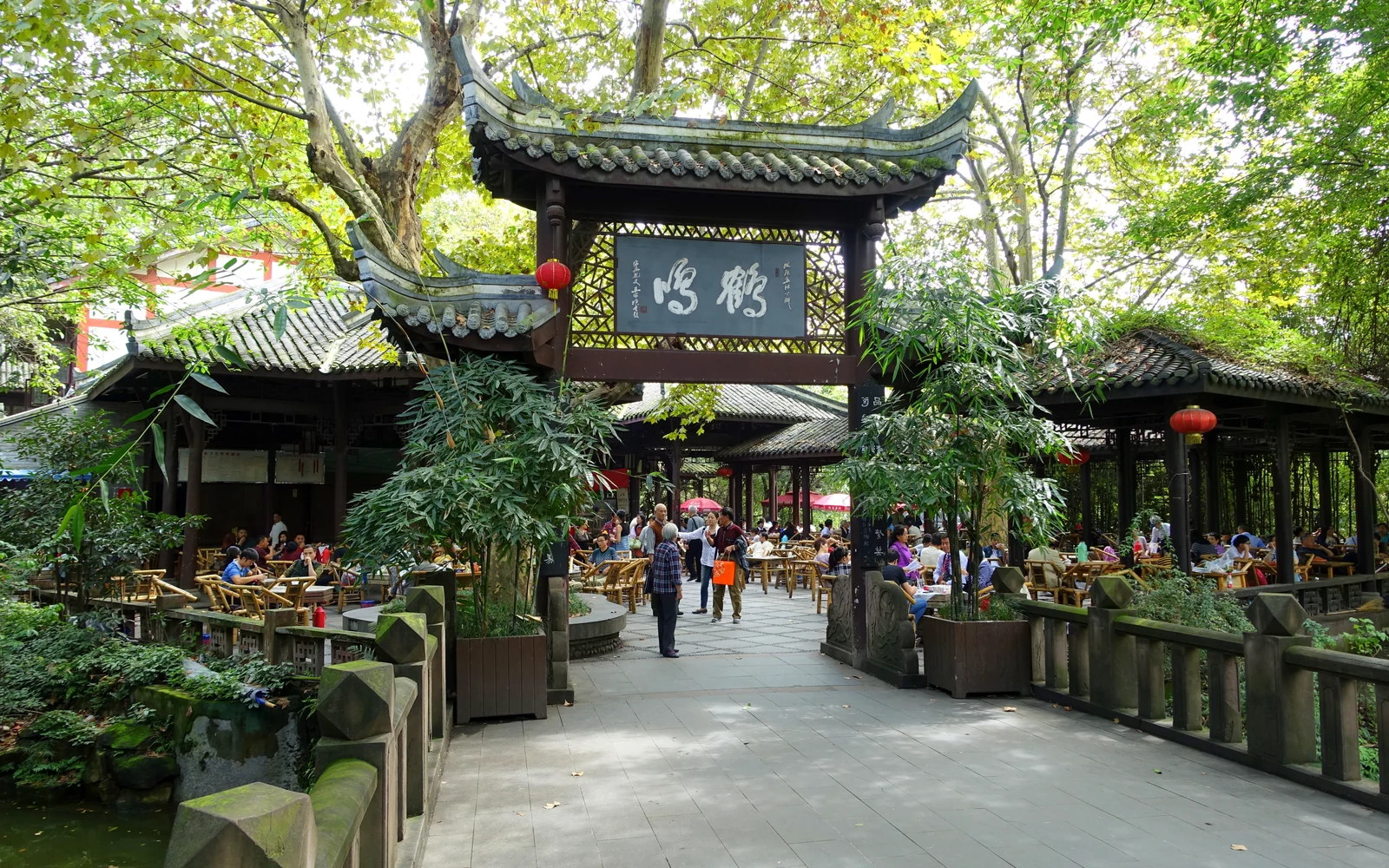
Begin with a gentle city afternoon rather than a major excursion. People's Park is a useful first window into Chengdu because it is not simply a landscaped attraction. Locals sit, talk, drink tea, play games and spend time outdoors. Heming Teahouse is one of the park's best-known historic teahouses and gives visitors a more grounded introduction to the city than a rushed commercial street.
Use the rest of the day for a neighbourhood walk and a first Sichuan meal. This is also the right time for a guide to explain how to order, how spicy dishes can be adjusted and which local foods suit the group.
Day 2: pandas first, then Chengdu beyond the pandas
The panda base works best as an early start. Pandas are living animals, not a scheduled performance, so weather, season, activity and crowd levels all matter. Tickets, entry procedures and opening arrangements can change; travellers should check the official base website before the visit.
Do not fill the afternoon with another long transfer. Pair the panda morning with a lighter city experience: a market, a temple area, a quiet lane, a tea break or a meal that helps travellers understand Sichuan flavours. A private arrangement is valuable here because the afternoon can respond to how much energy the group actually has.
Day 3: choose Sanxingdui or a deeper Chengdu day
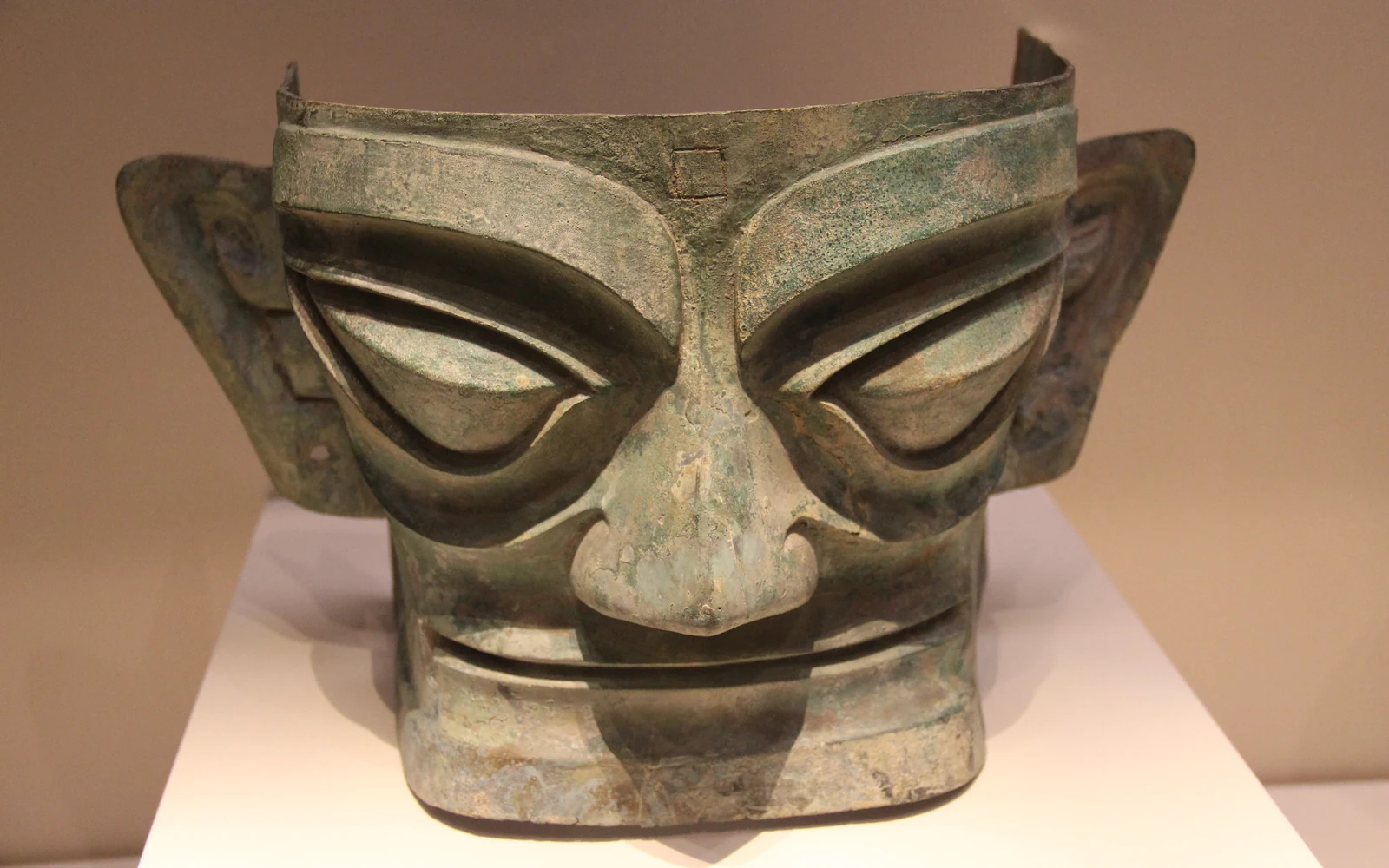
Sanxingdui is the strongest choice for travellers interested in history, archaeology and civilizations beyond China's familiar imperial capitals. Its bronze masks and ancient Shu objects give Sichuan a historical identity that is very different from Beijing's palaces or Xi'an's terracotta army. The museum is outside central Chengdu, so it deserves a deliberate half-day or full-day structure rather than being treated as a quick add-on.
Travellers who prefer food and city life can stay in Chengdu instead. Build the day around a market, cooking experience, teahouse, local neighbourhoods and an evening performance. The point is not to do everything. It is to choose the version of Chengdu that fits your interests.
Day 4: add breathing room or travel beyond the centre
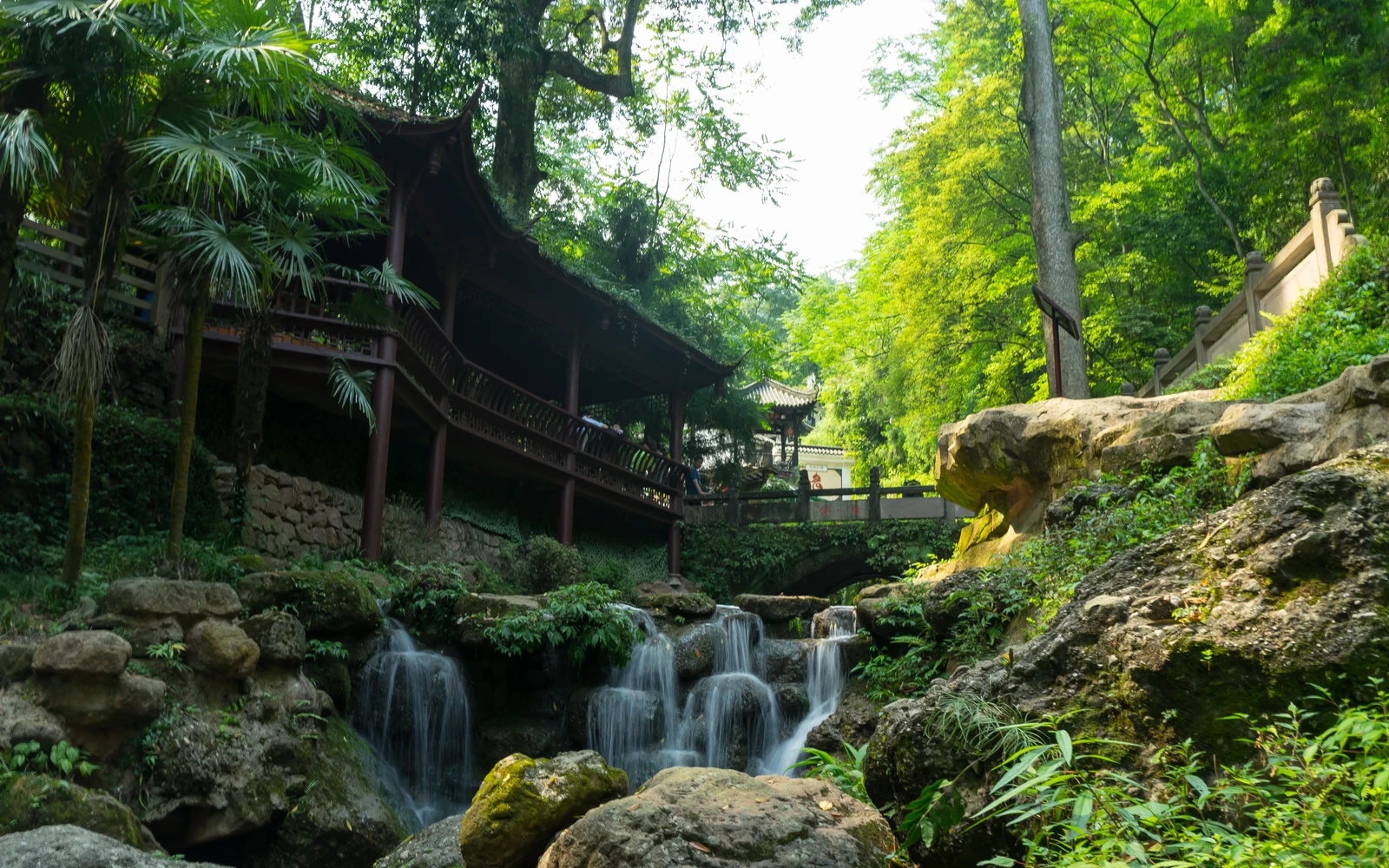
A fourth day can be used in two ways. Families and relaxed travellers may keep it inside the city, with shorter walks and more time for food. More active travellers can consider Dujiangyan or Mount Qingcheng.
Dujiangyan is part of a UNESCO World Heritage property together with Mount Qingcheng. The ancient irrigation system shows how water engineering shaped the Chengdu plain, while Qingcheng adds green mountain scenery and Taoist cultural context. They are not interchangeable: Dujiangyan is the clearer engineering and heritage story; Qingcheng is the greener, more walking-oriented experience.
When does a five-day Chengdu stay make sense?
Choose five days when you want both a calm city experience and one substantial extension. It works particularly well for:
- families who need flexible mornings and rest windows;
- food-focused travellers who want more than one famous meal;
- history travellers combining Sanxingdui with city culture;
- visitors using Chengdu as a softer middle chapter between faster-paced cities;
- travellers who want Dujiangyan or Qingcheng without sacrificing the city itself.
A five-day stay does not mean five packed sightseeing days. The value is the ability to respond to weather, ticket availability and the group's energy.
What should you eat if you cannot handle very spicy food?
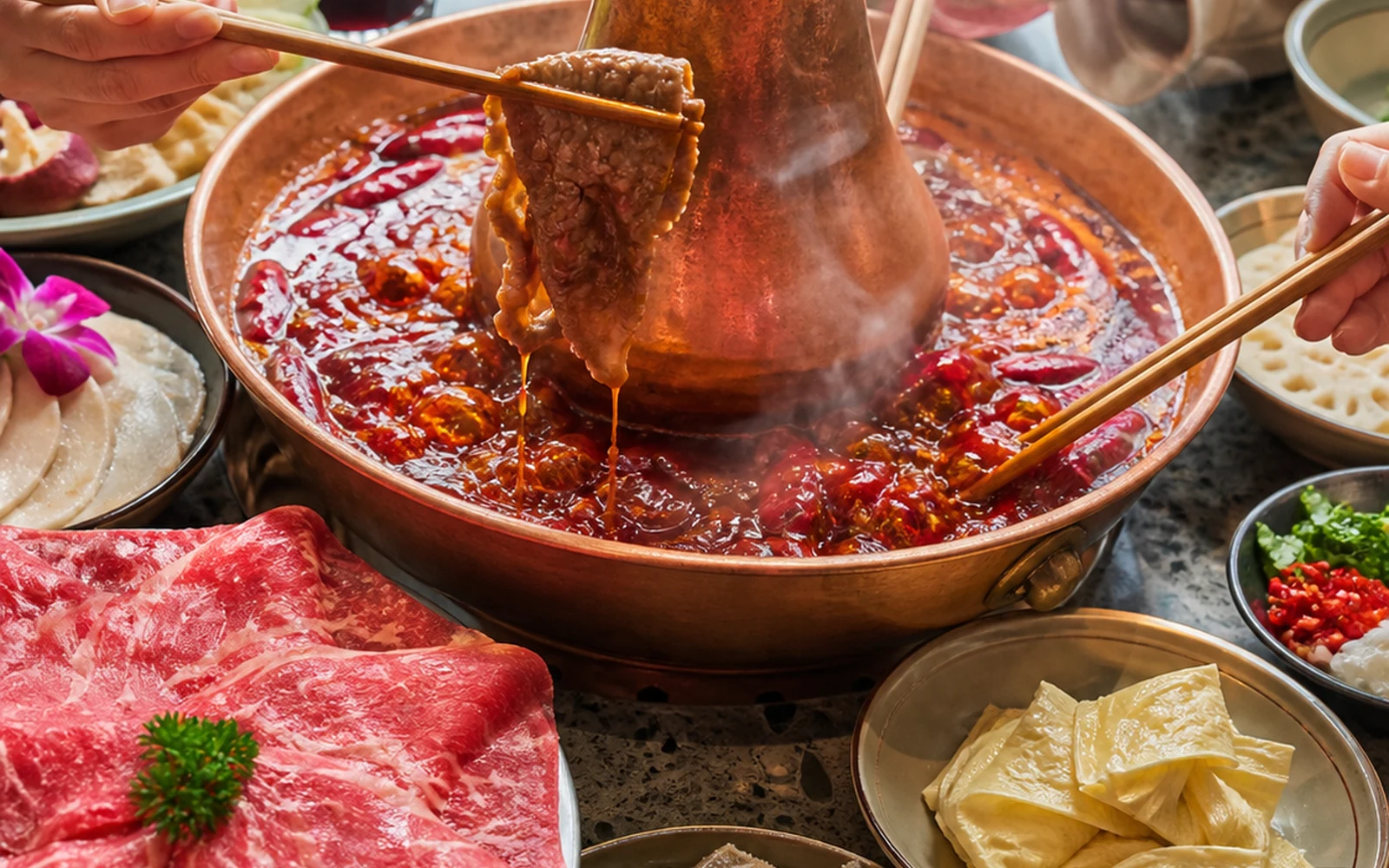
Chengdu is still worth visiting. Sichuan cuisine is not one single level of heat, and a local meal plan can mix bold dishes with gentler options. Tell the planner about allergies, children and spice tolerance before restaurants are selected. Hotpot can be ordered with divided broth, while noodles, dumplings, vegetables, snacks and home-style dishes can create a broader food experience.
The common mistake is to treat one extremely spicy hotpot as the entire cuisine. The better approach is to use several meals to understand aroma, texture, peppercorn, fermentation and the social way dishes are shared.
Common planning mistakes
Visiting the panda base too late
An early visit usually gives the day more flexibility and a better chance of seeing active animals. Exact conditions vary, so no responsible planner should promise a particular panda behaviour.
Treating Sanxingdui as a short city stop
It requires transport and enough museum time. If archaeology is not a priority, use the day differently rather than forcing it into the itinerary.
Scheduling every famous street
Commercial pedestrian areas can be enjoyable, but they should not replace the city's living culture. A teahouse, neighbourhood or local meal often leaves a stronger memory.
Assuming everyone wants maximum spice
Food should be planned around the travellers, not used as a test of courage.
Adding a day trip without checking walking ability
Qingcheng and other mountain experiences need a realistic discussion about steps, weather and pace.
Who is Chengdu best for?
Chengdu is especially good for families, food lovers, travellers interested in pandas and archaeology, and first-time visitors who want a Chinese city that feels culturally rich without being relentlessly fast. It is less suitable for travellers who only want a brief transit stop or who expect every day to be built around monumental landmarks.
How 1st China Trip plans Chengdu
There is no single correct Chengdu itinerary. The right version depends on arrival time, hotel location, panda-ticket availability, children's ages, walking comfort, food preferences and what comes before or after Chengdu.
First Landing International Travel / 领拓国际旅行社(上海)有限公司 operates the 1st China Trip service for international visitors. Our local team can coordinate hotels, private vehicles, English-speaking guides, attraction timing and multi-city connections. The route is prepared for discussion and quotation after the traveller's dates, party size, hotel level and priorities are clear.
Start with the Chengdu private journey or tell the AI itinerary assistant what kind of China trip you are considering.
Frequently asked questions
Is Chengdu worth visiting if I am not especially interested in pandas?
Yes. Teahouse culture, Sichuan food, Sanxingdui and the city's relaxed social rhythm can support a full three- or four-day visit without making pandas the only focus.
Should I choose Sanxingdui or Dujiangyan?
Choose Sanxingdui for ancient Shu civilization and museum depth. Choose Dujiangyan for engineering history and an outdoor heritage setting. With five days, both can be discussed.
Is Chengdu suitable for children and older travellers?
Usually yes, provided the itinerary controls early starts, walking, heat and transfer time. Four days are more comfortable than three for mixed-age families.
Can Chengdu be combined with Chongqing or Xi'an?
Yes. Chengdu connects naturally with Chongqing and can also sit within a Beijing–Xi'an–Chengdu route. The exact sequence should be based on transport, flight times and the group's pace.
Official planning references
- Chengdu Research Base of Giant Panda Breeding: official ticket and visitor information.
- UNESCO World Heritage Centre: Mount Qingcheng and the Dujiangyan Irrigation System.
- Chengdu People's Park: Heming Teahouse introduction.
- Sanxingdui Museum: official and government visitor information.
*Published by 1st China Trip. Updated 17 August 2026. Opening hours, reservations and entry rules can change; verify current official information before travel.*